

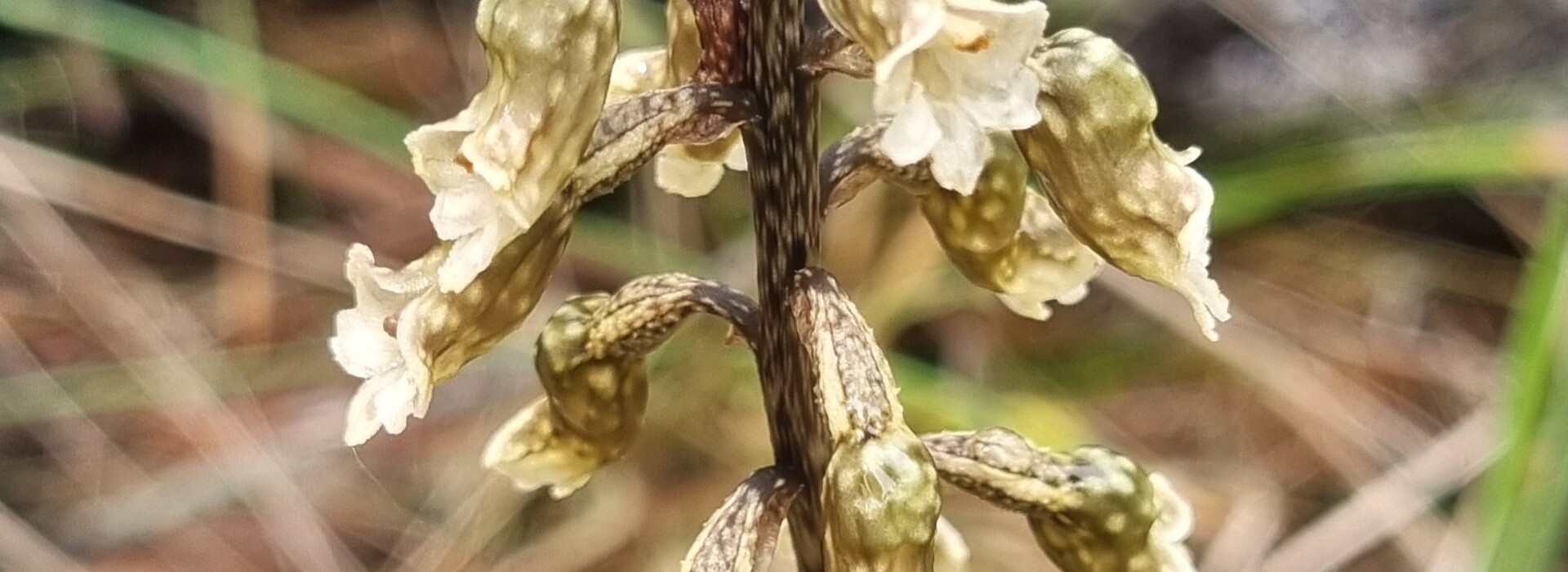
Rare orchid discovery boosts conservation efforts in Kaingaroa Forest
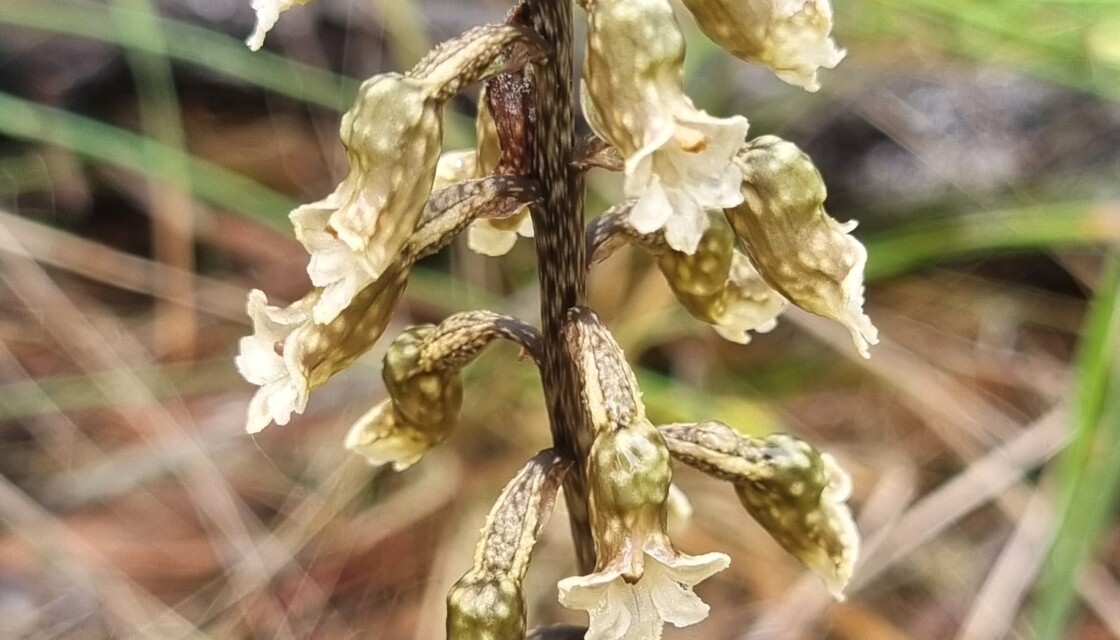
A major find in Kaingaroa Forest is reshaping what we know about one of New Zealand’s rarest plants and showcasing our commitment to protecting biodiversity alongside productive forestry.
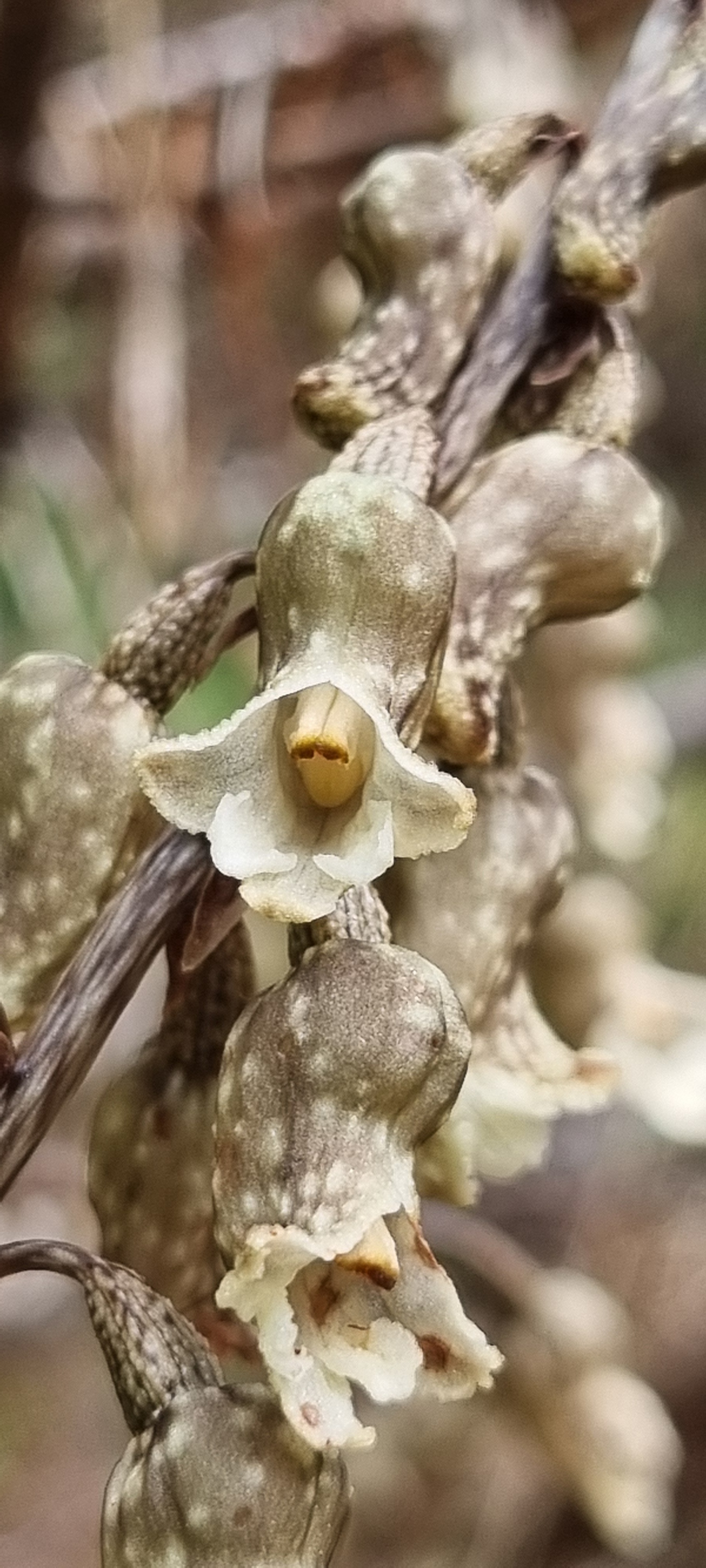
Over summer, Timberlands, Wildlands Consultants, and the Department of Conservation teamed up to search for Gastrodia cooperae, also known as Cooper’s black potato orchid. This critically threatened species, with fewer than 250 individuals previously recorded nationwide, was first detected in Kaingaroa Forest in 2022 by a University of Waikato student.
Following that discovery, we commissioned a dedicated search to map its presence more fully. Surveys in December 2024 and January 2025 confirmed the orchid’s survival across multiple young radiata pine stands, identifying 154 flowering stems — a significant addition to the known national population.
General Manager Sustainability Colin Maunder says the discovery highlights our role as stewards of the land.
“This is an important new record for Kaingaroa and New Zealand. It shows that conservation and commercial forestry can go hand-in-hand when biodiversity values are recognised and protected,” he says.
Department of Conservation Technical Advisor for Flora, Paul Cashmore, says the findings are “really important” as there wasn’t good data on population sizes or distribution at any sites in New Zealand before.
“We now know that this is probably the largest known population in New Zealand and will be a key site for the ongoing management of this threatened species moving forward.
“What this and the previous survey confirmed is that commercial pine forests can be an important habitat for a variety of native orchid species. The management regime of these forests is crucial to their ongoing survival.”
Forest management adapting
The surveys also highlight the adaptability of native orchids. Remarkably, the orchids were thriving in young pine stands, where sparse ground vegetation and relatively open canopies created ideal conditions for the underground tubers and their essential fungal partners. By contrast, older pine stands with denser shade and deeper litter layers appeared less suitable.
We are now using these discoveries to inform our forest management. In particular, the timing of thinning operations in affected compartments has been adjusted to avoid disturbing the orchids during their critical flowering and seed-setting period.
Beyond Gastrodia cooperae, the surveys recorded a suite of other native orchid species, including the nationally vulnerable red bearded orchid (Calochilus robertsonii). This work builds on our long-standing partnership with conservationists to protect the native orchids of Iwitahi — an area within Kaingaroa Forest where, in the 1980s, the Taupō Orchid Society first discovered a surprising abundance of indigenous orchids flourishing under exotic pines. This led to the establishment of the Iwitahi Native Orchid Reserve, now the only dedicated reserve of its kind in New Zealand.
“We have a proud history of working alongside conservationists to safeguard native species," says Colin. “Our approach recognises that production forestry and biodiversity protection can, and must, go hand-in-hand.”
The success of this summer’s orchid survey is a testament to that collaborative spirit and is a reminder that even in the managed landscapes of production forests, our precious biodiversity can find a place to thrive.
 (opens in lightbox)
 (opens in lightbox)