Better more resilient forests
Controlling the spread of invasive species and pests that destroy the ecosystem is an important part of the work we do every day to enhance biodiversity and create healthier, more resilient forests.
We are working towards:
- Expanding the area of land set aside for conservation and/or cultural values to 10%
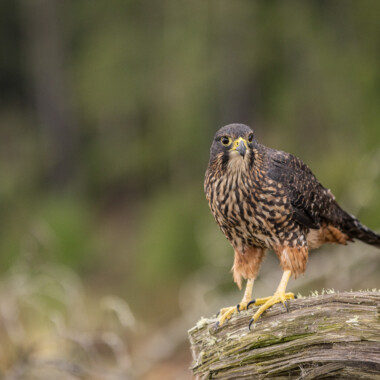
- Improving rare species populations, including re-introducing at least two rare species by 2050
- Improving natural biodiversity within the forest plantation environment
- Eliminating wilding conifers by 2070
- Becoming predator free (e.g. possums, rats, and mustelids)
- Becoming free of identified significant pest plants (e.g. Dawin’s barberry, African feather grass, and Old man’s beard)
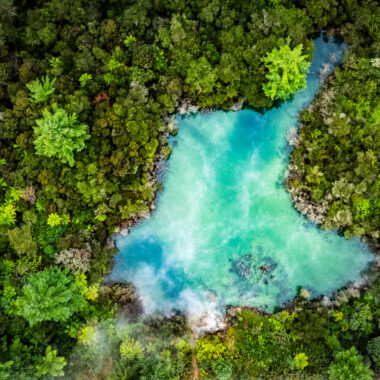
- Restoring wetlands over 1ha in size by removing weeds and pests.
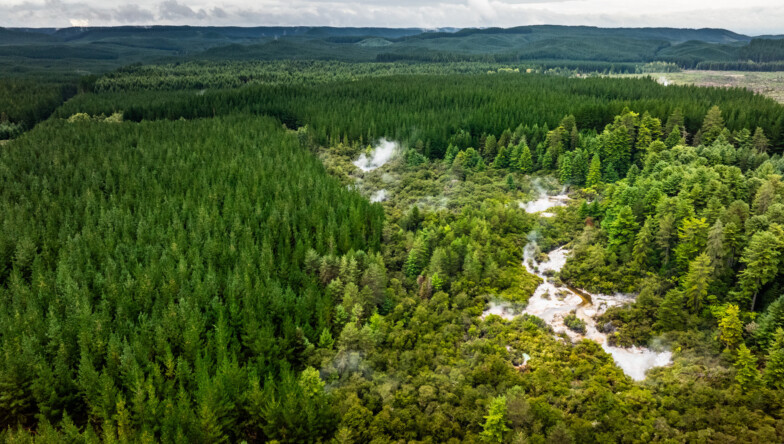
Eliminating wilding conifers
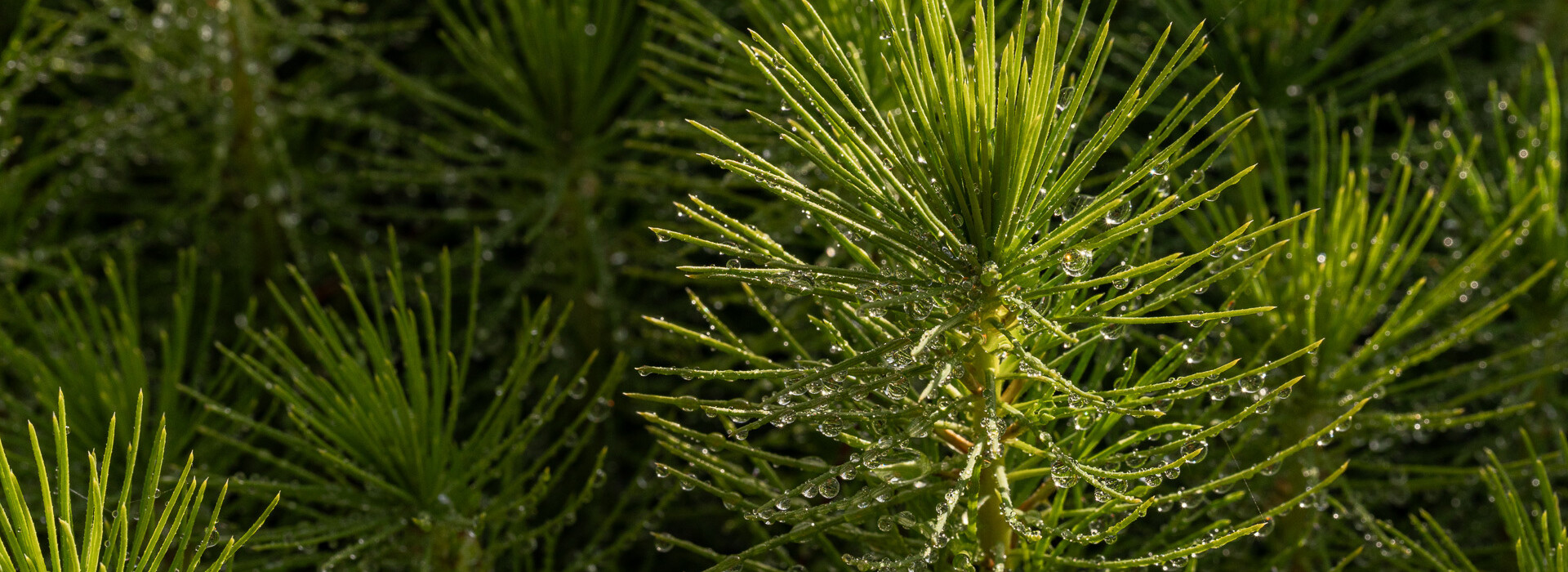
Wilding conifers, predominately an inherited legacy of contorta pine from historical plantings both within and outside our forests, pose a significant threat to conservation areas. We proactively manage these invasive species to reduce their impact on forest biodiversity. Work is underway on the banks of the Rangitaiki River, portions of the western boundary of Kaingaroa Forest, on Mount Tarawera and on some specific forest areas with high conservation value. Further progression through the forest estate will be continued in a methodical manner towards eradication by 2070.
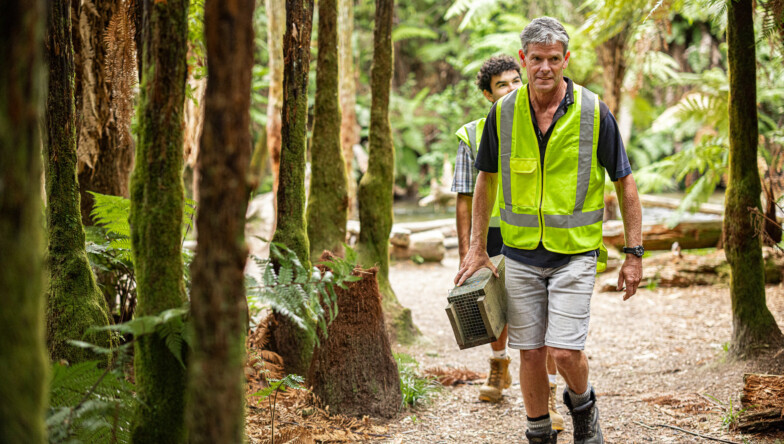
Free from significant pests and plants
Pest species threaten our environment, our community, and our economy. Whenever possible we use non-chemical methods to eliminate pests, but chemicals remain the only effective method to control some species. In these cases, we utilise the least amount of pesticides as possible, alongside non-chemical approaches such as hand pulling weeds, mechanical land preparation, possum trapping and silvicultural practices, such as thinning, to minimise disease infection.
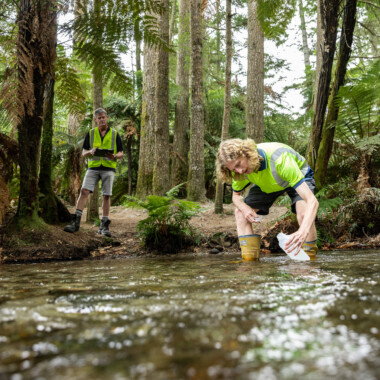
Keeping our forests healthy and resilient is our best tool against pests becoming established. By planning and understanding our environment, and conducting or participating in research, we gain a better understanding of the pests and diseases that threaten our biodiversity and the steps we need to take to manage them.
You can play your part in helping to improve the biodiversity in the forests by reporting rare species and any pests and diseases to us.